
Dryad Networks Aim to Revolutionize Wildfire
In response to the escalating threat of wildfires intensified by climate change, German startup Dryad Networks has developed innovative technology aimed at early detection and prevention of forest fires. Their system, known as Silvanet, utilizes solar-powered gas sensors to detect wildfires in their nascent stages, potentially mitigating the devastating impact these fires can have on ecosystems and communities.
Silvanet: Harnessing IoT for Early Wildfire Detection
Silvanet is an Internet of Things (IoT) network comprising solar-powered gas sensors strategically placed throughout forested areas. These sensors are designed to identify wildfires within minutes by detecting changes in environmental conditions, such as the presence of specific gases emitted during the early stages of combustion. This rapid detection capability provides firefighters with a crucial window to respond before a fire escalates.
Integration with AI-Powered Drones
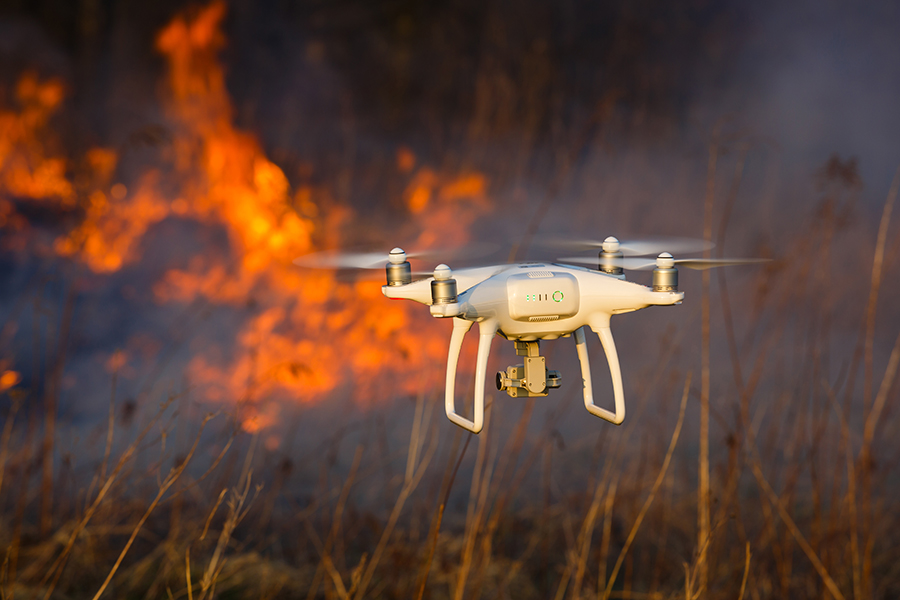
Complementing the Silvanet system, Dryad Networks is developing AI-powered drones capable of autonomously locating and assessing potential fire sites. Upon receiving alerts from Silvanet sensors, these drones can be deployed to the specified locations to provide real-time data, including visual and thermal imagery. This integration enhances situational awareness for firefighting teams, enabling more informed decision-making and efficient resource allocation.
Addressing the Growing Wildfire Challenge
The frequency and severity of wildfires have been increasing globally, posing significant risks to biodiversity, human health, and property. Traditional detection methods, such as satellite imaging and fire lookout towers, often result in delayed responses due to the time required to identify and verify fire outbreaks. Dryad Networks’ approach aims to overcome these limitations by providing ultra-early detection, thereby facilitating prompt intervention and potentially reducing the scale and damage of wildfires.
Collaborations and Field Deployments
Dryad Networks has initiated collaborations to test and refine their technology in real-world scenarios. For instance, during forest fire incidents in the Harz Mountains, drones equipped with Dryad’s sensors were deployed to inspect affected areas. These drones, controlled remotely, provided valuable data on fire locations and the extent of the affected zones, demonstrating the practical utility of integrating IoT sensors with unmanned aerial systems in wildfire management.
Challenges and Future Prospects
While the technology holds significant promise, challenges remain in achieving widespread adoption. Factors such as deployment costs, sensor maintenance, and integration with existing firefighting protocols need to be addressed.Furthermore, ensuring the reliability and accuracy of the sensors in diverse environmental conditions is critical to prevent false alarms and maintain trust in the system. Nonetheless, as advancements continue and the urgency to combat wildfires grows, solutions like those offered by Dryad Networks represent a proactive step toward safeguarding forests and communities against the ravages of uncontrolled fires.
By leveraging IoT technology and artificial intelligence, Dryad Networks exemplifies how innovative approaches can contribute to more effective wildfire detection and prevention strategies, ultimately aiding in the global effort to mitigate the impacts of climate change.


Leave a Reply
Want to join the discussion?Feel free to contribute!